
The Crucial Role of Electrical Components in Heating and Cooling
Modern heating, ventilation, and air conditioning (HVAC) systems rely heavily on electrical components to function efficiently. These systems are essential for maintaining comfort in residential and commercial spaces. They require a range of electrical tasks, including wiring installation, circuit management, and load assessments. Understanding how these elements work together is crucial for effective operation and maintenance.
Key Benefits of Proper Electrical Integration
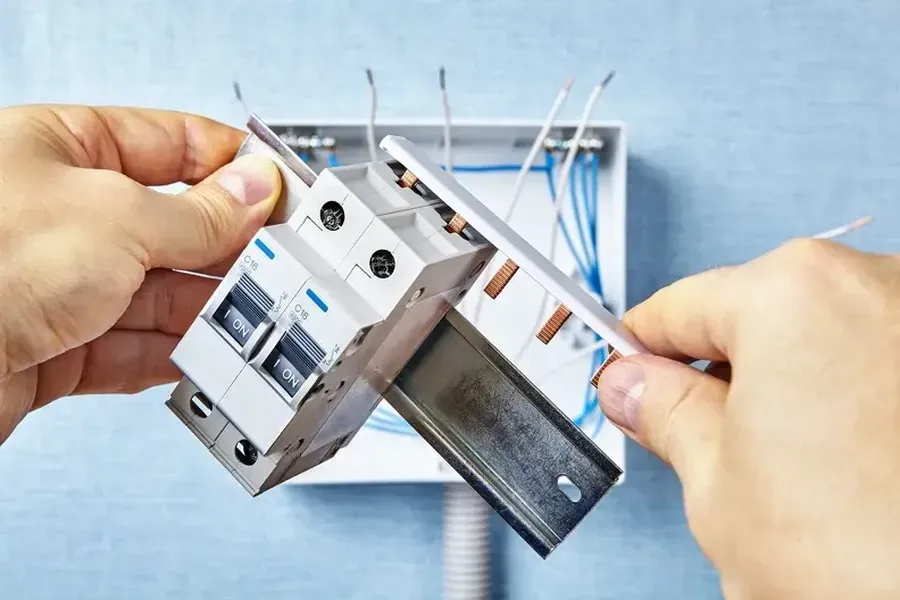
Integrating electrical components properly into HVAC systems offers several advantages. First, it ensures energy efficiency by reducing power waste. Well-designed electrical systems can also prolong the life of HVAC units by providing stable power supply and reducing wear on mechanical parts. Furthermore, proper integration minimizes the risk of system failures and enhances overall safety by preventing electrical hazards like short circuits or overloads.
Common Issues With Electrical Components
Issues with electrical components can lead to significant challenges in HVAC systems. One common problem is faulty wiring, which can cause intermittent power loss or even complete system failure. Another issue is poor circuit design, leading to overloaded circuits that may damage the HVAC system. Lastly, inadequate grounding can increase the risk of electrical shocks or fires.
The Importance of Electrical Services in HVAC Maintenance
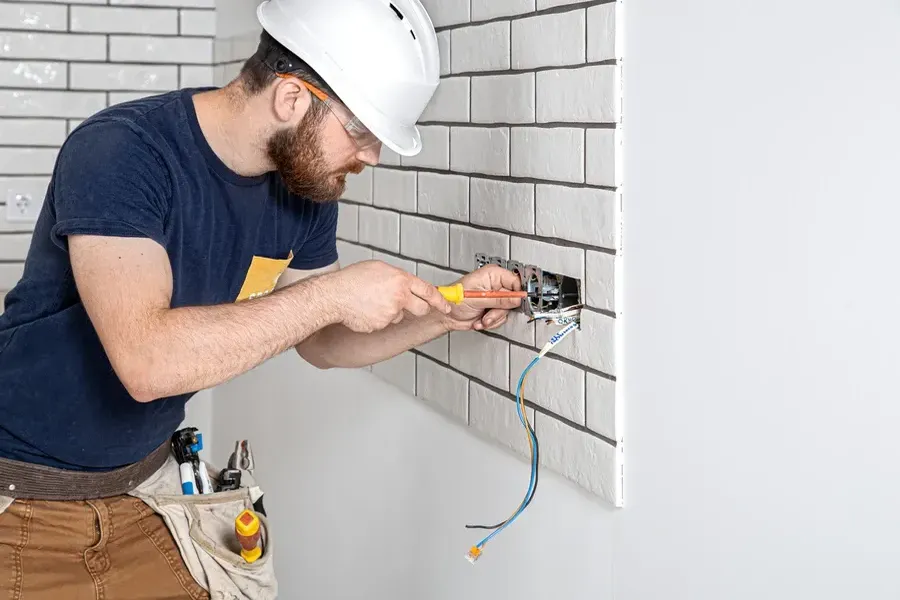
Regular maintenance of HVAC systems should include a thorough check of all electrical services. This encompasses inspecting wires for wear and tear, testing circuit breakers, and ensuring that all connections are secure. By keeping up with such services, you ensure that your HVAC system runs smoothly and safely.
Expert Solutions for Electrical Challenges
Tackling electrical challenges in HVAC systems requires expert solutions. Professionals recommend regular inspections by qualified technicians to identify potential issues before they escalate. Using high-quality materials for wiring and components is also essential for system reliability. Additionally, upgrading old systems with modern, efficient alternatives can help avoid frequent breakdowns.
Best Practices for Maintaining Your HVAC System
To keep your HVAC system running optimally, follow these best practices:
- Schedule regular professional inspections
- Replace worn-out components promptly
- Ensure circuits are not overloaded
- Upgrade to energy-efficient models when possible
- Keep the area around HVAC units clean and clear
Compliance With Industry Standards
Adhering to industry standards is vital for the safe operation of HVAC systems. Compliance ensures that installations meet specific guidelines related to efficiency and safety. Key regulations include those set by the American National Standards Institute (ANSI) and Underwriters Laboratories (UL). Following these helps prevent legal issues and protects users from potential harm.
Cost Considerations for Electrical Work
The cost of electrical work in HVAC systems varies based on several factors. These include the size of the unit, the complexity of the electrical setup, and the geographical location. Investing in quality electrical services can offer better long-term savings through reduced energy costs and fewer repairs. While initial expenses might be higher, the return on investment often justifies these upfront costs.
Final Recommendations for Optimal Functionality
For optimal functionality of your HVAC systems, prioritize professional Electrical Services and regular maintenance checks. Address any identified issues immediately to avoid costly repairs later. Located in Hinesville, GA, our team at JNim Property Services LLC specializes in providing top-notch HVAC support. Reach out to us at (912) 217-3590 to ensure your heating and cooling systems remain efficient year-round.